


FINISHES
Surface finishes for marble and natural stone
Surface finishing is an important stage in working marble and natural stone, as it has a significant impact on the material’s final appearance. The same stone can take on different visual characteristics depending on the finish selected.
Colour, pattern and natural variation are part of the appeal of marble and stone. Different surface treatments can bring out or tone down the base colour, while also changing the look and feel of the surface.
CEMAR offers a range of finishes, from rough, textured surfaces to smooth, matte or glossy ones. The choice depends on the material, its intended use and the aesthetic result envisioned for the project.
$1,000 per day
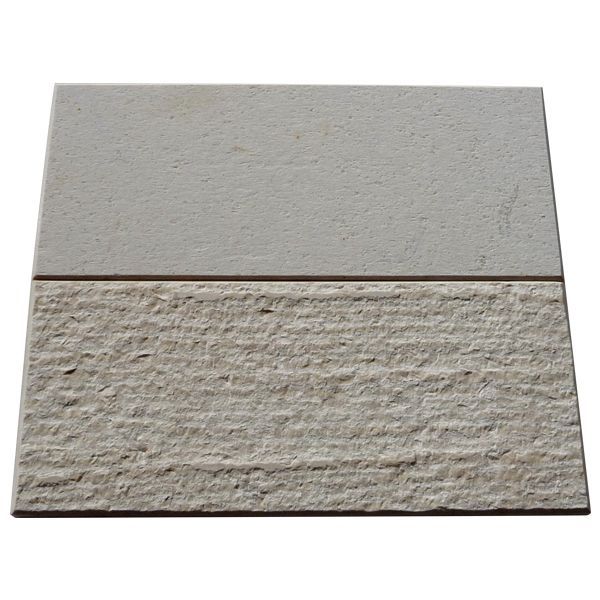
SCRATCHED
A surface defined by parallel grooves
Bush-hammering abrades the surface using specialist rotary tools.
This process creates a series of parallel grooves, giving the stone a rough, distinctive appearance. The result highlights the surface finish and creates a highly recognizable textured effect.
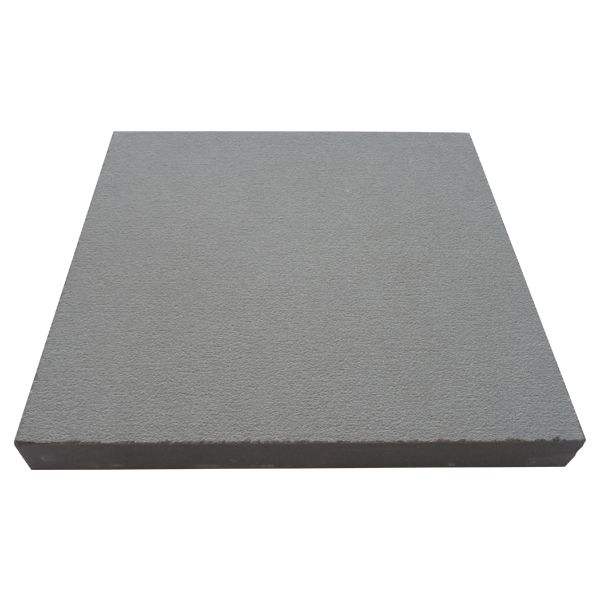
WIRE-SAW CUT
The authentic look of a raw surface
The sawn finish deliberately retains a rough, uneven surface.
Created through the simple process of cutting, this finish gives less prominence to the stone’s colour than smoother, brighter finishes, while bringing out its natural, unpolished character.
The result is a clean, tactile-looking surface that retains visible traces of the working process.
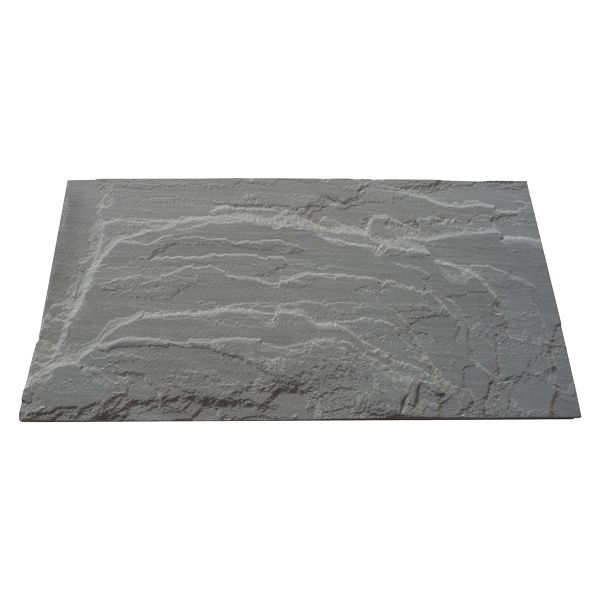
NATURAL SPLIT
Irregularity and material take centre stage
Natural split is a rough finish with a highly irregular surface. It can come directly from splitting the outside of a block, or be created using a process that takes advantage of certain stones’ natural tendency to split along specific planes.
The result is a series of elements with irregular yet essentially parallel surfaces, offering interesting aesthetic possibilities.
This gives the stone a particularly natural appearance, bringing its structure, irregularities and material character to the fore.
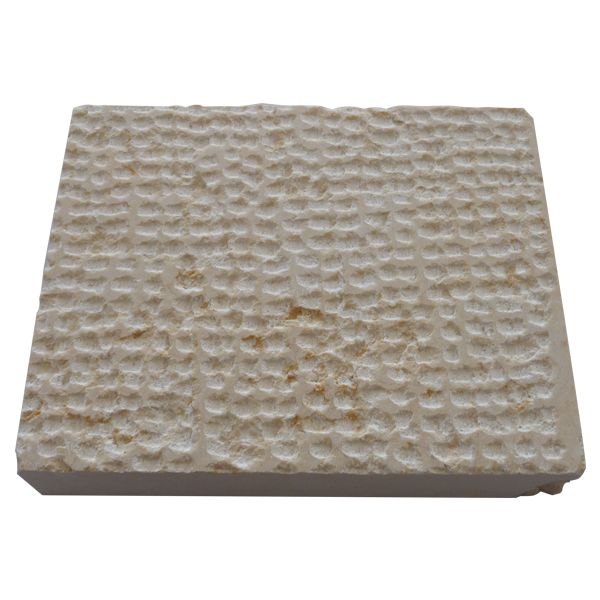
Pointing, toothed chisel and chisel finishes
Hand-finished surfaces
Point, claw chisel and chisel finishes are among the treatments that most clearly showcase the artisanal nature of our work.
These refined, predominantly hand-crafted finishes can create visual and colour contrasts or be applied across the entire surface to achieve distinctive relief effects.
The operator’s experience therefore plays a central role in determining the character of the surface and the final result.
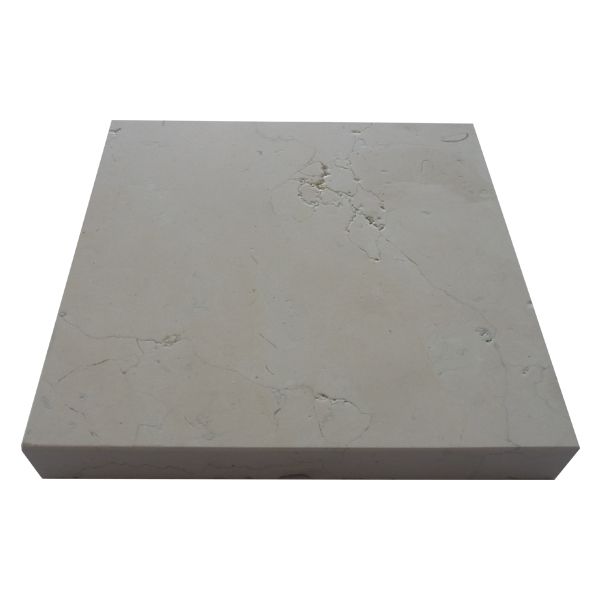
TUMBLING
The look of a surface weathered by time
The aged finish gives stone a deliberately timeworn appearance, evoking the effects of use and natural ageing over time.
Depending on the abrasive grits used, the process can bring out the stone’s colour to a greater or lesser degree.
The result is a surface with an antique character, where the process is used to recreate the effects that the passage of time and wear can have on the material.
$1,000 per day
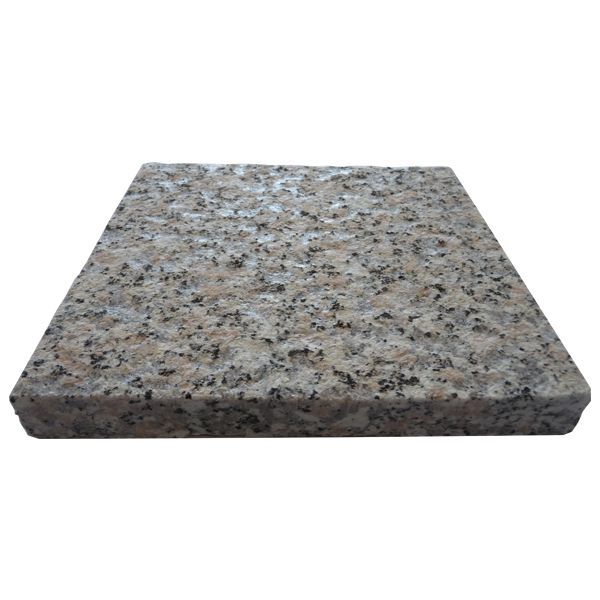
FLAMED FINISH
A soft, velvety-looking surface
Flame-finishing, also known as thermal splitting, is achieved by applying an oxyacetylene flame to the stone surface.
The treatment changes the material’s surface appearance, giving it a softer look and making its colour appear more velvety.
The distinctive texture enhances the material in a way that differs from smooth or polished finishes.
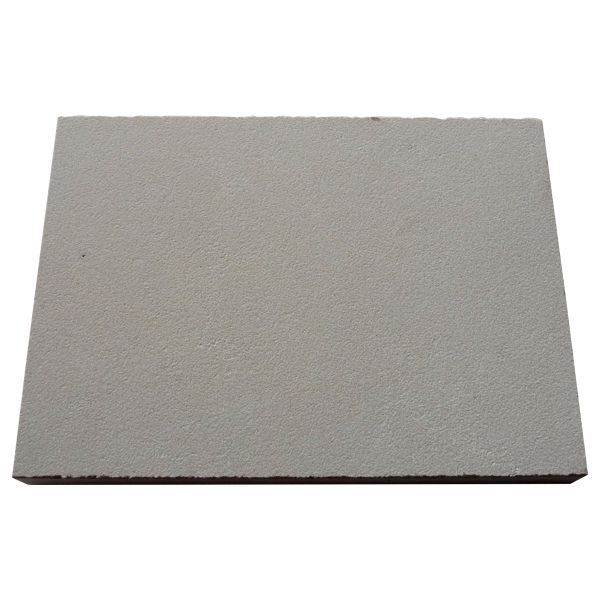
SANDBLASTED FINISH
An abrasive, rough texture
Sandblasting is achieved by subjecting the surface to a high-pressure stream of sand.
The process gives the stone a rough, abrasive surface while also softening its colour. The result is a uniform yet tactile surface, where shine gives way to a more matte effect.
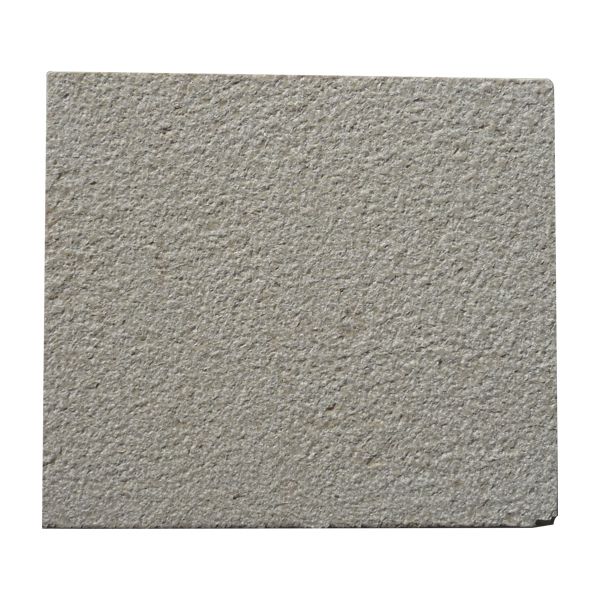
BUSH-HAMMERED
The look of rough stone in a uniform surface
Bush-hammering creates a surface reminiscent of the natural, rough appearance of stone while maintaining greater uniformity.
The process can be carried out at different intensities—fine, medium or coarse—producing a corresponding change in texture and overall appearance.
The surface retains a strong tactile quality, defined by an evenly distributed finish.
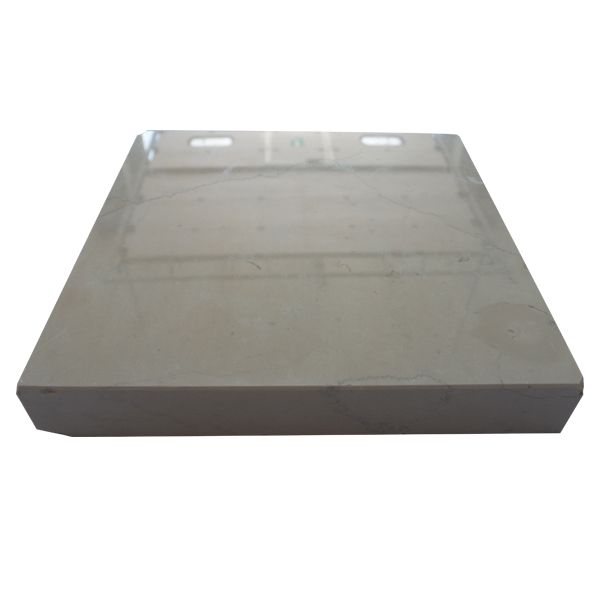
POLISHING
The material’s brilliance and depth
Polishing is the process that gives the material’s surface a glossy, mirror-like finish.
This finish particularly enhances the stone’s colour, pattern and natural variations, bringing out its visual appeal.
The material takes on a smooth, luminous surface that brings out its colour in striking detail.
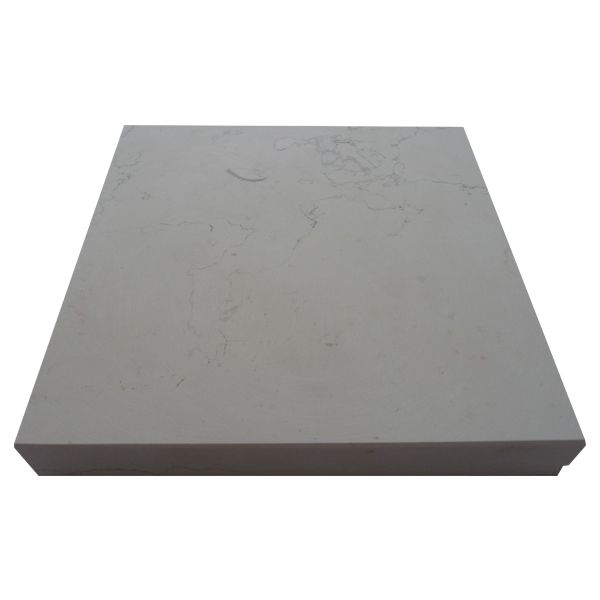
HONED
A smooth, matt-looking surface
Honing smooths the stone’s surface using abrasives while maintaining a matte finish.
Unlike polishing, this finish does not seek a bright, mirror-like effect. The surface remains even and smooth, while retaining a more understated appearance.
This difference makes it possible to interpret the same material in different ways, choosing the finish to achieve the desired effect.


